Charting the Future: Legal Requirements for Record-Keeping and Data Security in Optometry Practices
In the field of healthcare, the meticulous management of patient information isn’t simply a matter of simple administrative tidiness; it’s a cornerstone of professional practice, one governed by a complex web of legal and ethical obligations. For optometrists in particular, the trust placed in them by patients extends beyond clinical expertise, extending to the careful stewardship of highly sensitive personal health information. As practices increasingly transition from paper files to sophisticated electronic health records (EHRs), the dual responsibilities of comprehensive record-keeping and robust data security have become more critical than ever. Navigating the legal responsibilities required of a medical practitioner requires a deep understanding of the legal framework that dictates how that precious patient data is collected, documented, stored, and protected as much as proper patient care. This article charts the essential legal requirements that every Canadian optometry practice must adhere to, ensuring compliance, protecting patient privacy, and upholding the integrity of the profession.
1. The Legislative Framework: Provincial and Territorial Authority
In Canada, the governance of healthcare, including the regulation of health information, falls primarily under provincial and territorial jurisdiction. This regulation requires that optometrists must be intimately familiar with the specific legislation in the province or territory where they practise. Laws such as Ontario's Personal Health Information Protection Act (PHIPA) and British Columbia's and Alberta's Personal Information Protection Act (PIPA) set the foundational rules. These acts establish that optometrists, as healthcare providers, are "health information custodians" or "trustees." This designation carries with it the profound legal responsibility to collect, use, and disclose personal health information (PHI) only as permitted by law and to take all reasonable steps to safeguard that information from unauthorized access or loss. Compliance begins with a thorough understanding of this primary legislation, as it informs every subsequent policy and procedure within the practice.
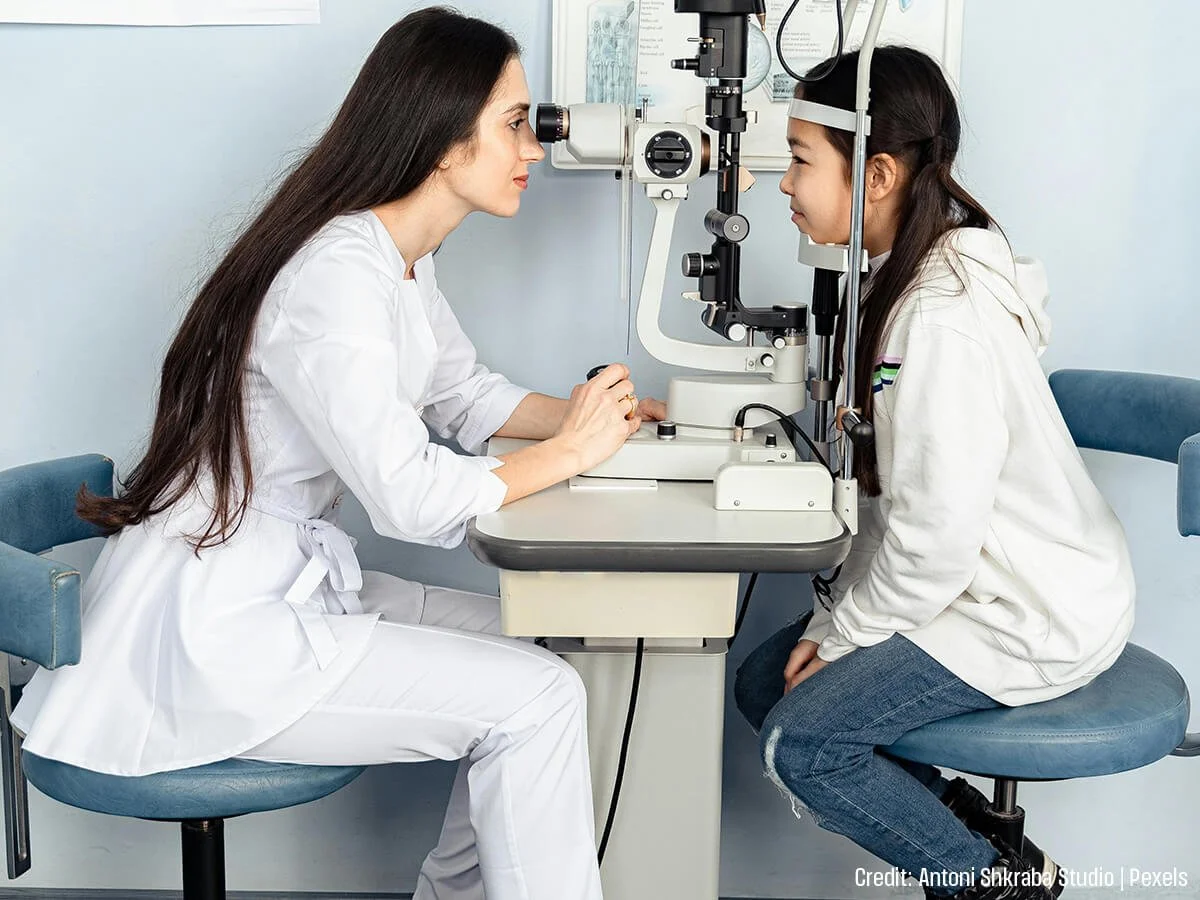
2. The Anatomy of a Complete Patient Record
The regulatory colleges that govern optometry in each province set out specific standards for what constitutes a complete and adequate patient record. It pays to take the standards absolutely seriously; they are legally enforceable requirements, and so demand the respect that is their due. While specifics may vary slightly between jurisdictions, a comprehensive optometric record must universally contain several key elements.
These include:
Patient Identification and Demographics:
Full name, date of birth, address, and contact information.
Detailed History:
A thorough account of the patient's chief complaint, history of present illness, past ocular and medical history, family ocular and medical history, and any relevant medications or allergies.
Examination Findings:
All data gathered during the examination must be meticulously recorded. This may includes, but is not limited to, visual acuities (aided and unaided), objective and subjective refraction results, binocular vision assessment, pupillary and extraocular muscle function, and a detailed assessment of both the anterior and posterior segments of the eye, often including intraocular pressure measurements. Regulatory colleges set the standard of practice, so be sure to understand and follow your local requirements.
Diagnosis and Plan:
A clear diagnosis or clinical impression derived from the examination findings. This must be followed by a detailed management or treatment plan, including any prescriptions for eyewear or therapeutic pharmaceutical agents, referrals to other healthcare professionals, patient education provided, and plans for follow-up care.
Every entry must be dated, legible, and attributable to the healthcare provider who made it. The record serves as the primary legal document of the care provided, making its accuracy and completeness paramount.
3. Record Retention: The Obligation of Time
A common question for practitioners is how long they are legally required to maintain patient records. The answer is again found in provincial legislation and the bylaws of the respective optometric colleges. There is no single national standard, but a general rule for management of medical records is that adult patient records must be retained for a minimum of 10 years from the date of the last entry. For paediatric patients, the requirement is typically 10 years after the patient reaches the age of majority (18 or 19, depending on the province). This extended period for minors ensures that they have the opportunity to access their own records once they become adults. It is crucial for practices to have a clear policy on record retention and destruction that aligns with their specific provincial requirements to avoid premature or improper disposal of these vital legal documents.
4. Upholding Privacy and Confidentiality
The duty of confidentiality is a cornerstone of the practitioner-patient relationship; navigating capacity and consent requires a careful approach to ensure medical practitioners receive fully informed consent before proceeding with patient care. Privacy legislation formalizes this duty by strictly controlling how PHI can be used and disclosed. The core principle is consent. An optometrist must have a patient's express or implied consent to collect, use, or share their health information. Implied consent is often assumed for the purposes of providing direct patient care within the "circle of care"—for instance, sharing necessary information with a patient's family doctor or a consulting ophthalmologist. However, for any other purpose, such as research or marketing, express written consent is required. The law also outlines very specific and limited circumstances where disclosure without consent is permitted, such as in response to a court order or to mitigate a significant risk of harm to the public. Every staff member in an optometry practice, from receptionists to technicians, must be trained on these principles and be bound by confidentiality agreements.
5. Securing the Digital Domain: Electronic Health Records
The adoption of EHR systems has revolutionized practice efficiency but has also introduced new and complex data security challenges. Provincial privacy laws mandate that custodians implement reasonable administrative, physical, and technical safeguards to protect electronic PHI. For an optometry practice, this translates into several non-negotiable requirements:
Access Controls:
The EHR system must have unique user IDs and strong passwords for every staff member. Access should be based on a need-to-know principle, meaning individuals can only view the information necessary to perform their job duties.
Encryption:
All PHI must be encrypted, both when it is stored on servers ("at rest") and when it is transmitted electronically ("in transit"), for example, via email or to a third-party billing service.
Audit Trails:
The system must be capable of logging and auditing all access to patient records. These logs should track who accessed a record, what they did, and when they did it. This is a critical tool for detecting and investigating potential privacy breaches.
Secure Backups:
Regular, automated backups of all data are essential to protect against data loss from hardware failure, malware, or other disasters. These backups must themselves be encrypted and stored in a secure location, with off-site copies providing an additional layer of protection.

6. Patient Rights: Access and Correction
Canadian privacy legislation grants individuals the right to access their own personal health information. This means that a patient is entitled to request and receive a copy of their optometric record. Practices must have a clear and simple process in place for handling these requests, which should typically be made in writing. While a reasonable fee may be charged to cover the cost of providing the copy, access cannot be unduly withheld. The law provides only very limited and specific grounds for refusal, such as when providing the information would reveal confidential information about a third party. Furthermore, patients have the right to request a correction to their record if they believe it contains an error or omission. The practice is obligated to either make the correction or, if it does not agree with the proposed change, to document the patient's request by attaching a statement of disagreement to the record.
7. Managing the Inevitable: Breach Notification
Even with the most robust security measures in place, privacy breaches can occur. A breach is defined as any unauthorized collection, use, disclosure, or loss of personal health information. In the event of a breach, practices have a legal obligation to respond swiftly and transparently. The required steps generally include:
1. Containment
Take immediate steps to stop the unauthorized practice and retrieve the records, if possible.
2. Notification
Notify the individuals whose privacy was breached. The law requires that this notification provide enough information for the individual to understand the significance of the breach and the steps they can take to protect themselves.
3. Reporting
Report the breach to the relevant provincial Privacy Commissioner. Many provinces have mandatory reporting requirements, especially for significant breaches.
4. Investigation and Remediation
Investigate the cause of the breach and implement a plan to prevent a recurrence.
Having a proactive breach response plan is not just good practice; it is an essential component of legal compliance.
It’s a good idea to keep in mind that the legal requirements for record-keeping and data security in optometry are comprehensive and exacting. These requirements demand a multi-layered approach that combines a deep knowledge of provincial law, adherence to professional college standards, and the implementation of robust technical and administrative safeguards. For the modern optometrist, keeping your practice functional means embracing these obligations as an integral part of providing excellent patient care and maintaining the public’s unwavering trust in the profession. Continuous vigilance, ongoing staff training, and a proactive commitment to privacy are the essential coordinates for navigating this complex but critical aspect of optometric practice.
When medical practitioners need reliable legal services to help them through legal issues, Health Law Firm has your back. We provide a wide range of services, ranging from representation during college hearings to assisting with drafting your contracts. Whatever your legal needs, we are here to provide reliable service. Give us a call now at (416) 640-0508 when you need legal aid you can count on.