Doing Your Due Diligence? 8 Things to Know Before You Make an Offer on a Vet Clinic

It’s finally happening: you’re buying your own veterinary clinic and starting your very own practice. This is a major step, and not just in terms of your career; there are legal and financial dimensions to this new undertaking you need to consider before taking the plunge. While you might already know how to practise medicine, now that you’re moving on to acquiring a veterinary business, you’ll also need to pick up a new set of skills to manage and oversee your new clinic.
Like any other task, you always need to do your due diligence before you so much as draft a letter of intent or present a formal offer. Along with having a reliable legal team on hand to assist with the purchase, it’s also vital you proceed carefully at this stage. This is the period where you get a chance to look under the hood of the business and ensure the reality of the clinic matches the promises made by the seller. Any successful business transition relies on rigour, patience, and a meticulous eye for detail. So to protect your investment and secure your future, here are eight critical steps to investigate before you make an offer on a veterinary clinic.
1. Assess the True Financial Health Through Normalization
When evaluating a veterinary practice, you’ll need more than what the gross revenue or tax returns tell you; these don’t provide a full picture of the clinic’s actual profitability. It’s especially vital knowing the difference between a thriving clinic, and one that’s simply busy; busy doesn’t necessarily mean financially stable. What you’re really looking for are the normalized earnings. Clinic owners often run personal expenses through their business, such as vehicles, travel, or continuing education courses that go beyond standard requirements. They may also pay themselves a salary that is either well above or well below the fair market value for a full-time veterinarian.
During your investigation phase, it’s imperative to consider these discretionary expenses and add them back into the profit margin to reveal the business’ true cash flow. This is a must for understanding exactly how much money the practice generates from its core operations. Furthermore, you should closely examine the revenue streams. A clinic that relies heavily on a few high-value surgical procedures carries a different risk profile than one with a broad foundation of routine wellness exams and preventative care.
2. Evaluate the Strength and Satisfaction of the Existing Team
A veterinary clinic is only as strong as the people who run it. When you purchase a practice, you are acquiring the goodwill of the community, and that goodwill is deeply tied to the existing staff. As such, there’s a need to assess the retention rates and the overall morale of staff, including associate veterinarians, registered veterinary technicians, and receptionists.
Review all existing employment contracts. Are there restrictive covenants or non-compete clauses in place for associate veterinarians? What are the current compensation models, and are they sustainable? It is equally important to gauge the workplace culture. If the current owner governs with a highly authoritative style and you prefer a more collaborative approach, the transition may cause friction. If key team members decide to leave shortly after you take over, it can severely disrupt operations and client retention. It’s worth your time to implement policies to show appreciation for the staff; not only is it the decent thing to do, it keeps morale and performance high, meaning a win-win situation for you and your staff.
3. Scrutinize the Lease and the Physical Premise
The physical space of the clinic dictates your ability to operate and grow. It’s also vital to make a thorough review of the commercial lease agreement to assess your space accurately. If you are securing a ten-year loan to purchase the practice (for example), you need to ensure that your lease, including renewal options, extends for at least that same duration. Landlords hold significant power, and a lease that is nearing its end without guaranteed renewal terms is a massive red flag.
Aside from the paperwork, you’ll also need to evaluate the physical footprint. Calculate the usable area and determine if the current layout maximizes efficiency. Are the exam rooms large enough? Is the surgical suite isolated from the noisy kennel areas? You’ll also need to consider the age and condition of the mechanical systems, such as the HVAC units required to maintain proper ventilation and odour control. Finally, look at the potential for expansion. If you plan to add more associates in the future, you will need sufficient space to accommodate additional treatment areas and equipment to go with the expansion in personnel and service.
4. Analyse the Catchment Area and Local Demographics
The neighbourhood surrounding the clinic has its own effects on the success of the business. Take the time to investigate the demographics within a radius of several kilometres around the practice. Is the local population growing, or is it stagnating? Look into municipal zoning plans to see if new residential developments or commercial centres are slated for construction.
You should also evaluate the density of pet ownership and the economic stability of the local area. A community with a strong, diverse economic base is generally more resilient to economic downturns, which directly impacts the willingness of clients to spend on comprehensive veterinary care. While you’re at it, map out the competition as well. Take note of how many other veterinary practices operate within a few kilometres of your target clinic and assess their service offerings. Understanding your catchment area ensures you are buying into a neighbourhood that supports your specific vision for growth.
5. Review Legal, Regulatory, and Compliance Records
Veterinary medicine is a highly regulated profession, and inheriting a clinic with compliance issues can result in severe professional and financial penalties. Part of your due diligence also includes a deep dive into the clinic’s regulatory standing. As part of that effort, you need to verify that the practice meets all the current standards set forth by the provincial veterinary college or regulatory body.
You’ll also need to pay particular attention to the management of controlled substances. The narcotic logs must be flawless, secure, and entirely up to date. Furthermore, check the licensing and inspection records for all radiography and dental x-ray equipment; radiation safety compliance is one of the non-negotiable factors to consider. You should also verify that all biomedical waste disposal contracts are active and compliant with provincial environmental regulations. Any history of complaints, disciplinary actions, or failed inspections must be thoroughly investigated before you commit to the purchase.
6. Understand the Clinic’s Technological Ecosystem
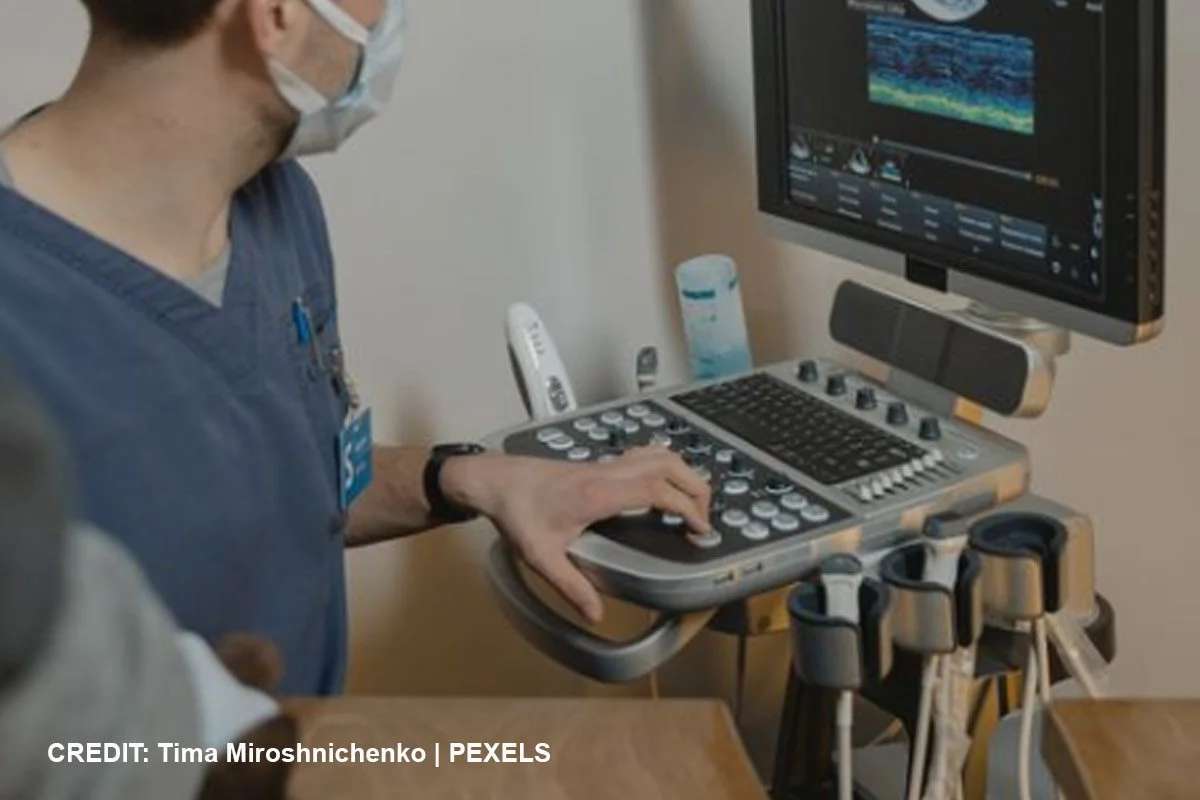
Technology is the backbone of operational efficiency for any clinic, including vet clinics. Evaluate the clinic’s practice management software. Is it a modern, cloud-based system, or is the clinic relying on outdated, server-based software that is no longer supported by the developer? The transition from legacy software to a modern platform is a significant investment, and one that can be incredibly disruptive to daily workflows if not handled carefully.
Also make an assessment of the state of the digital records. A paper-lite or fully paperless clinic is generally more attractive and easier to transition than one that still uses physical charts. Look at the integration of diagnostic equipment, such as in-house blood analyzers and digital radiograph machines, with the practice management software. If the hardware is aging and the software is disjointed, you’ll also need to factor the cost of a complete overhaul into your financial models and your initial offer.
7. Align Clinical Philosophies and Practice Culture
One of the most overlooked aspects of due diligence is clinical alignment. This means making sure that your standard of care aligns with the way the current owner practises medicine. Review a selection of patient files to understand the current diagnostic habits. Does the clinic routinely recommend pre-anesthetic bloodwork, intravenous fluids during surgery, and comprehensive dental charting? If your standard of care is significantly higher or more aggressive than the current owner's, implementing those changes can cause sticker shock and alienate the existing client base.
There’s also operational philosophies to consider. Look at the appointment scheduling, for example. If the current owner runs on rapid, fifteen-minute appointments and you prefer comprehensive thirty-minute consultations, your daily revenue projections will need to be drastically adjusted. The closer your clinical philosophy matches the established culture, the smoother the transition will be for both the staff and the patients.
8. Structure the Seller’s Transition and Restrictive Covenants
The final piece of the due diligence puzzle involves defining the current owner’s exit strategy. A sudden departure by the seller can cause panic among long-term clients, so it’s vital you have a transition period to yourself into the practice. To that end, you’ll need to negotiate a transition period where the seller remains on staff in a part-time capacity to personally introduce you to key clients, vendor representatives, and community partners.
Equally important are the restrictive covenants placed on the seller. Your purchase agreement must include a robust non-compete clause that prevents the seller from opening a new practice or working as an associate within a specific radius of kilometres for a set number of years. Furthermore, a non-solicitation clause is required to ensure the seller cannot poach your newly acquired staff members or actively recruit your clients to a different clinic. Protecting the borders of your new business is just as important as managing what happens inside it.

Buying a veterinary clinic is a phenomenal achievement, but enthusiasm must be balanced with objective rigour. Doing your due diligence matters, especially when you’re trying to avoid any red flags before you sign anything. An experienced legal team is a must for systematically evaluating the business and ensuring you’re prepared for all the realities facing you when you buy your clinic. Once you have a clear understanding of what you’re getting into, you can step into ownership with a sense of confidence and a clear roadmap for success.
Navigating the legal complexities of the healthcare industry requires experienced, dedicated guidance. Whether you need general legal counsel, routine contract reviews, or strategic advice to protect your professional interests across Canada, the team at Health Law Firm is here to support you every step of the way. Ready to secure your legal foundation? Contact our dedicated team today at (416) 640-0508 to discuss how we can assist you.