How Can You Help? How Patient Records and Communications Are Used in Abuse Investigations

Abuse is a sadly all too common issue for many healthcare professionals. Dentists, pharmacists, and other regulated health professionals often sit closer to abuse cases than they may realize. A cracked tooth with an inconsistent explanation, a prescription pattern that suggests coercion, or a caregiver who answers every question over the patient are just a few clues that something may be amiss. When investigators or legal counsel begin building that picture, your files and correspondence are some of the first documents requested. Knowing how that material is read and used helps you handle the situation correctly from the start.
Here’s a short list of questions to ask yourself in preparation for any abuse investigations that may cross your path.

1. What Counts as a Record Once an Investigation Begins?
According to the Department of Justice, record as defined in the Criminal Code as “contains personal information for which there is a reasonable expectation of privacy.” In case of an investigation, appointment histories, cancellation logs, dispensing records, radiographs, intraoral photographs, billing entries, and consent forms may well be requested to demonstrate a record of the abuse that’s occurred. Consequently, anything created or received while caring for the patient generally forms part of that record, wherever it is stored. Treating a patient’s entire file as potentially disclosable will affect how you maintain those records, and so it pays to prepare accordingly.
2. Who Can Ask for Your Records, and What Should You Verify?
Requests for relevant documents may come from police, a child protection agency, a regulatory college, a lawyer acting for a party, or the patient. Each carries different authority and different limits on what you may release without consent or a court order. Confirm the identity of the requester, the legal basis for the request, and the precise scope of what is being sought before releasing anything. When the basis is unclear, obtaining legal advice is a more prudent course before releasing records right away.
3. How Do Clinical Notes Become Evidence?
In this situation, any notes written for continuity of care will now be read by people looking for corroboration, timing, and consistency. An entry recording the patient's own description of an injury, the date it reportedly occurred, and your objective findings can support or undermine an account given elsewhere. Vague shorthand, undated addenda, and conclusions stated without supporting observation weaken that value. Now more than ever, precise, contemporaneous, and objective notes carry weight, precisely because they were made before anyone knew they would matter.
4. What Weight Do Informal Communications Carry?
Any communications pertaining to a case may all be captured by a production order; this list can include such varied examples as emails to colleagues, text messages with a patient, internal staff chat, and notes attached to files. Even casual speculation about a family, or a comment made in frustration, can be later in the case, sometimes without the context in which it was written. Keep clinical communication in the record, and keep the tone consistent with what you would say under oath. Also take the time to let staff understand that no channel is private simply because it feels informal.
5. How Should You Document a Disclosure Without Overstepping?
As may be the case in other contexts when recording patient testimony, it’s best to record what a patient said in their own words, using quotation marks where you can, along with who was present and when the conversation happened. Separate what you observed from what you concluded, and avoid labelling a third party's behaviour as abusive when your role is to describe findings. Take care not to conduct your own interview or press for detail, since that can compromise a later forensic interview. Stick strictly to the report you made, to whom, and at what time.
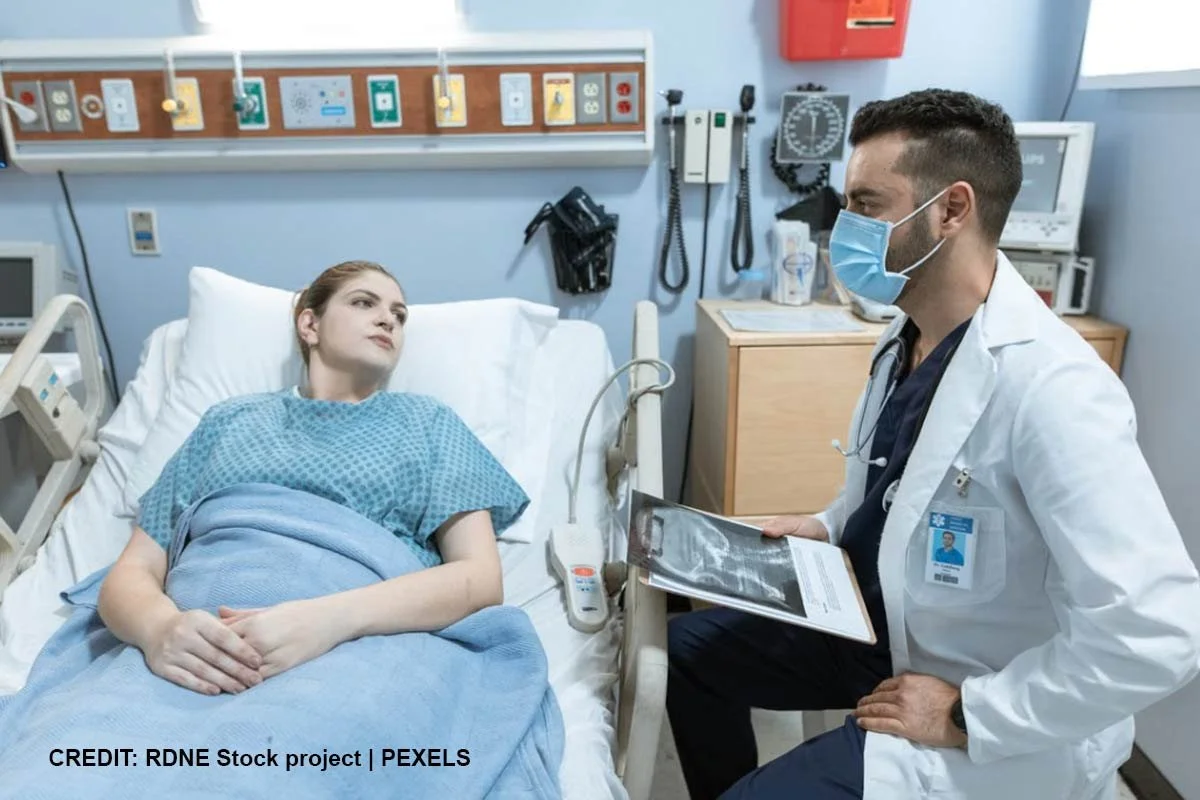
6. How Do You Protect Privacy While Cooperating?
Patient privacy is always serious business. Indeed, most Ontario hospitals treat such breaches as firing offenses, underlining just how integral patient privacy is in the medical profession. However, in case of an abuse investigation, there’s no reason you can’t cooperate yet maintain patient confidentiality. You can serve both imperatives, though they require deliberate handling to perform simultaneously. Release only what falls within the scope of the request, log what was disclosed and to whom, and retain a complete copy of everything produced. Where privacy legislation permits disclosure without consent, the permission is usually limited to specific circumstances, and aren’t open-ended.
Whatever may happen in a case like this, it helps to remember that the records you keep serve the patient first and foremost. Accurate records are always vital in case of misconduct around the workplace, especially if it involves your patients. If they serve in an investigation, it’s only because you kept accurate records during care, which can now help your patient as the investigation carries on. Building good documentation habits isn’t just a matter of maintaining accurate records, but a way to provide practical assistance should a patient ever need you for a serious abuse investigation.
Facing a records request, a regulatory complaint, or an investigation involving a patient? Health Law Firm is here to advise you on your legal obligations and protect your interests. Get clear guidance before you respond, not after. Call (416) 640-0508 to speak with our team about your specific situation.
Frequently Asked Questions
1. Do I Need Patient Consent Before Releasing Records To Investigators?
Usually yes, though privacy legislation creates exceptions for specific circumstances, including certain reporting duties and court orders. Confirm which exception applies before disclosing, and document the basis you relied on.
2. How Long Should I Keep Records That May Become Relevant?
Follow your regulatory college's retention requirements at minimum. Where you know a matter is under investigation, preserve the file and any related communications until you are advised it is no longer needed.
3. What Should I Do If I Suspect Abuse But Am Not Certain?
Certainty is not the threshold for mandatory reporting. Record your objective findings, follow your obligation to report the suspicion, and let the investigating body assess it.
4. Am I Protected If I Report In Good Faith?
Reporting legislation generally provides protection from liability for reports made in good faith. That protection does not extend to reports made maliciously, so keep your documentation factual.
5. Should I Tell The Patient Or Family That Records Were Requested?
No, not always. Some orders restrict notification, and alerting a suspected abuser can place the patient at further risk or compromise an investigation. Confirm your obligations before saying anything to anyone involved.