How to Ensure Legal Protection When Investing in Your First Orthopedic Clinic in Canada
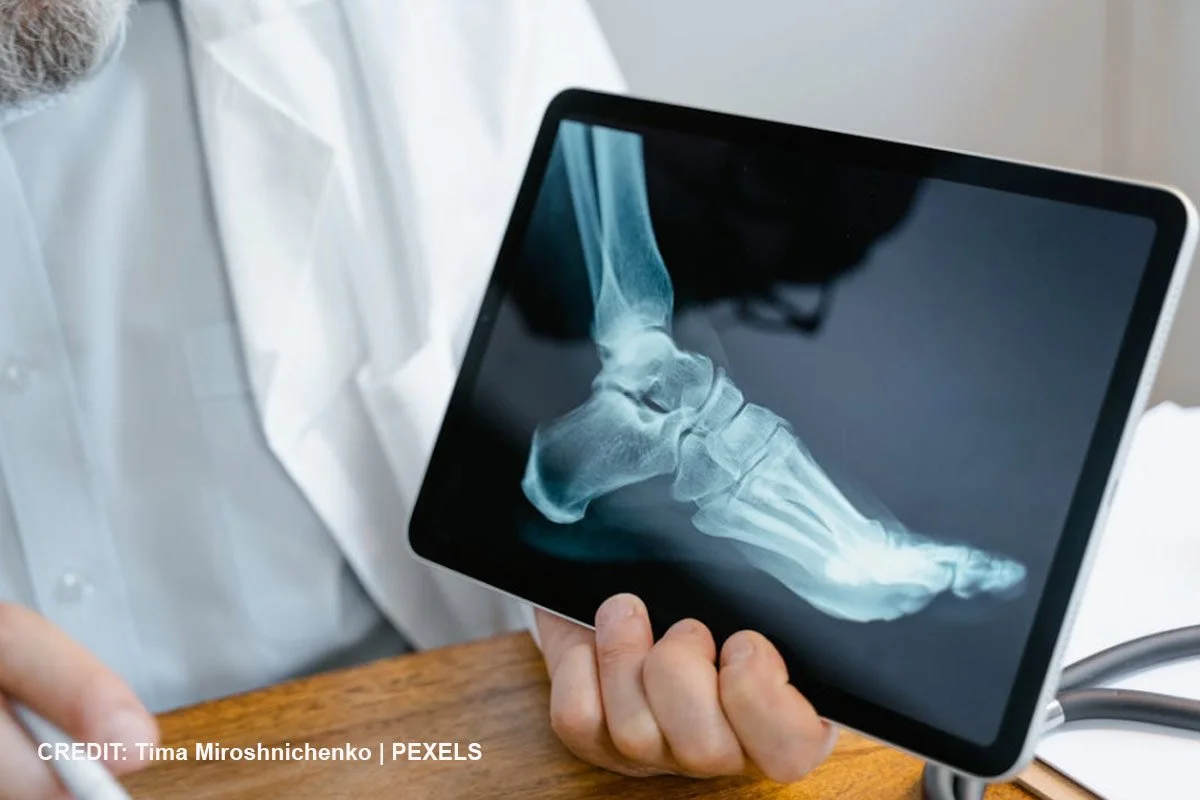
Canada’s demographic shifts, characterized by an aging population and a highly active younger generation, have created an unprecedented demand for musculoskeletal care. Investing in an orthopedic clinic presents a highly lucrative opportunity for both medical practitioners and private investors.
However, the Canadian healthcare sector is one of the most heavily regulated industries in the country. The intersection of business operations and medical care requires a meticulous approach to legal compliance. A failure to understand the provincial frameworks governing health professions, corporate structures, and privacy laws can lead to severe financial penalties, operational shutdowns, and crippling liabilities.
Whether you are a practicing orthopedic surgeon expanding your footprint or a private investor entering the healthcare space, establishing a robust legal foundation is not optional—it is the lifeblood of your clinic's success.
Here is a comprehensive guide on how to legally protect yourself and your investment when opening your first orthopedic clinic in Canada.

1. Choosing the Optimal Corporate Structure
The first and most critical legal step in opening an orthopedic clinic is determining the appropriate corporate structure. Unlike standard retail or tech businesses, medical practices in Canada are subject to stringent ownership rules dictated by provincial regulatory bodies.
Medical Professional Corporations (MPCs)
If you are a licensed physician, establishing a Medical Professional Corporation (MPC) is typically the standard route. An MPC allows physicians to benefit from lower corporate tax rates, income splitting with family members (subject to Tax on Split Income rules), and tax deferral strategies. However, under provincial legislation such as Ontario’s Business Corporations Act and the Regulated Health Professions Act, only members of the specific College (e.g., the College of Physicians and Surgeons) can own voting shares in an MPC.
Management Services Organizations (MSOs)
If you are a non-physician investor, you cannot legally employ a physician or own voting shares in a medical practice in most Canadian jurisdictions. To circumvent this while remaining compliant, non-physician investors frequently utilize a Management Services Organization (MSO) model.
In an MSO structure, the investor owns the corporation that provides the clinic's administrative, physical, and operational infrastructure (the real estate, equipment, non-medical staff, and marketing). The MSO then enters into a Management Services Agreement with an MPC owned by a licensed physician. The physician provides all clinical care, while the MSO charges a fair-market management fee for its services. Structuring this arrangement correctly is paramount to avoid violating fee-splitting and anti-kickback regulations. To ensure this is drafted correctly, it is highly recommended to seek counsel experienced in corporate and commercial law for Canadian healthcare enterprises.
2. Provincial Regulatory Compliance and Facility Accreditation
Healthcare in Canada is regulated at the provincial level. This means the rules governing your orthopedic clinic in Ontario will differ from those in British Columbia or Alberta.
Out-of-Hospital Premises (OHP) Guidelines
Orthopedic clinics often handle procedures that go beyond basic consultations. If your clinic plans to offer minor surgical procedures, joint injections involving certain anesthetics, or operate fluoroscopy equipment, you will likely fall under the jurisdiction of Out-of-Hospital Premises (OHP) programs.
In Ontario, for instance, the College of Physicians and Surgeons of Ontario (CPSO) rigorously inspects and accredits OHPs to ensure they meet hospital-grade safety standards. You must ensure your facility complies with all infection prevention and control (IPAC) standards, emergency preparedness protocols, and equipment maintenance logs.
Municipal and Local Compliance
Beyond provincial medical bodies, you must also satisfy municipal zoning and licensing requirements. Securing permits for medical imaging equipment (like X-ray or MRI machines) involves strict radiation safety protocols and approvals. Navigating these overlapping municipal and provincial jurisdictions can be incredibly complex, which is why securing advice on regulatory law in Toronto or your specific municipality is a crucial step in the pre-launch phase.
3. Complying with Strict Medical Advertising and Marketing Laws
One of the most common pitfalls for new healthcare investors is applying traditional retail marketing strategies to a medical clinic. In Canada, medical advertising is heavily scrutinized by regulatory colleges to protect the public from misleading claims and to maintain the dignity of the profession.
When marketing your orthopedic clinic, you must strictly adhere to the advertising guidelines set forth by the relevant provincial medical college. Common legal restrictions include:
Prohibition of Guarantees: You cannot guarantee the success of a treatment, procedure, or surgery.
Before and After Photos: The use of before-and-after photos is often heavily restricted or outright banned unless it meets very specific, objective criteria without manipulating lighting or posing.
Testimonials: Many provincial colleges prohibit physicians from using patient testimonials in their marketing materials.
Terminology and Titles: Advertising copy must be incredibly precise regarding professional designations. To ensure 100% regulatory compliance with Canadian health profession advertising standards, clinics must avoid restricted terms unless fully authorized. For example, the term "specialist" is highly regulated. Marketing materials should instead use compliant alternatives such as "orthopedic surgeon," "physician," or refer to the "clinic" as a whole to avoid regulatory violations.
Failure to comply with these marketing laws can result in disciplinary hearings for the medical directors and forced removal of expensive marketing campaigns.
4. Drafting Air-Tight Commercial Leases
Real estate represents one of the largest capital expenditures for a new clinic. A commercial lease for an orthopedic clinic is vastly different from a standard office lease. You are installing heavy, expensive equipment (X-ray machines, MRI scanners, physical therapy pools), and your build-out costs will be substantial.
To protect your investment, your legal counsel must negotiate specific clauses into your commercial lease:
Permitted Use: The "Permitted Use" clause must be broad enough to encompass all current and future activities. If it only states "orthopedic medicine," you may be legally barred from later subleasing space to allied health professionals like physiotherapists, chiropractors, or massage therapists.
Exclusivity: You should negotiate an exclusivity clause that prevents the landlord from leasing adjacent units to competing orthopedic clinics or physiotherapy centers.
Landlord’s Right to Relocate: Standard commercial leases often allow the landlord to relocate the tenant to another unit. For an orthopedic clinic with lead-lined walls for X-rays and custom-built surgical suites, a forced relocation could bankrupt the business. You must strike or heavily modify this clause.
Accessibility: Ensure the building complies with provincial accessibility legislation (such as the Accessibility for Ontarians with Disabilities Act, or AODA). An orthopedic clinic, by its nature, will serve patients with mobility issues; the physical space must be legally compliant.

5. Structuring Employment and Independent Contractor Agreements
Your clinic will rely on a diverse team: orthopedic surgeons, anesthesiologists (if performing certain procedures), registered nurses, physiotherapists, and administrative staff. Misclassifying these workers is a massive legal risk.
Employees vs. Independent Contractors
Administrative staff and nurses are typically classified as employees. You must provide them with employment contracts that clearly outline duties, termination clauses, and severance limitations in accordance with provincial employment standards acts.
Conversely, physicians and allied health professionals often work as independent contractors. If the Canada Revenue Agency (CRA) determines that your "independent contractor" is actually functioning as an employee (e.g., you dictate their hours, provide all their tools, and restrict them from working elsewhere), your clinic could be liable for years of back taxes, CPP, and EI contributions. Your Associate Agreements must clearly establish the independent nature of the relationship.
Restrictive Covenants
To protect the goodwill of your clinic, your agreements with contractors and employees should include well-drafted restrictive covenants. This includes non-solicitation clauses (preventing a departing physician from taking your patients or poaching your staff) and, where legally enforceable, non-competition clauses.
6. Ensuring Patient Privacy and Data Protection
Orthopedic clinics handle highly sensitive Personal Health Information (PHI). In Canada, patient privacy is governed by the federal Personal Information Protection and Electronic Documents Act (PIPEDA) and provincial equivalents, such as Ontario’s Personal Health Information Protection Act (PHIPA).
As an investor and clinic operator, you are legally responsible for safeguarding this data. Legal protection in this arena requires:
Electronic Medical Records (EMR) Compliance: Ensure your chosen EMR software provider is fully compliant with Canadian data localization and encryption standards. Data should ideally be hosted on Canadian servers.
Information Manager Agreements: If you are using third-party IT providers or billing agencies, you must have legally binding Information Manager Agreements in place that dictate how they handle your patients' PHI.
Breach Protocols: Implement legally vetted privacy policies and data breach response protocols. In many provinces, failing to report a privacy breach to the Information and Privacy Commissioner can result in massive corporate fines and personal liability for directors.
7. Managing Liability and Risk Mitigation
Protecting your investment means anticipating worst-case scenarios and insulating your personal and corporate assets.
While physicians carry their own medical malpractice insurance (e.g., through the Canadian Medical Protective Association - CMPA), the clinic itself can still be named in a lawsuit for issues like slip-and-falls, administrative errors, or equipment failures.
You must secure comprehensive Commercial General Liability (CGL) insurance, property insurance, and highly specific cyber liability insurance. Furthermore, ensure your corporate structure properly shields your personal assets from corporate debts and liabilities. Regular legal audits of your operational practices, human resources files, and patient intake forms will act as preventative medicine for your business.
Build a Legally Sound Foundation for Your New Clinic
Investing in a Canadian orthopedic clinic is a complex but rewarding endeavour.
The regulatory landscape is intricate, designed to prioritize patient safety above all else. Attempting to tackle the corporate structuring, real estate negotiations, regulatory college requirements, and privacy laws without legal counsel is an unnecessary and profound risk to your capital.
By proactively addressing these legal hurdles before you sign a lease or hire a practitioner, you create a resilient, compliant, and highly profitable healthcare enterprise. Secure your investment by partnering with legal professionals who understand the nuances of the Canadian healthcare sector.
Contact Health Law Firm today at (416) 640-0508 to speak to our trusted health law lawyers.