In the Market for a Veterinary Clinic? Why You Need a Lawyer's Help for a Vet Clinic Buyout
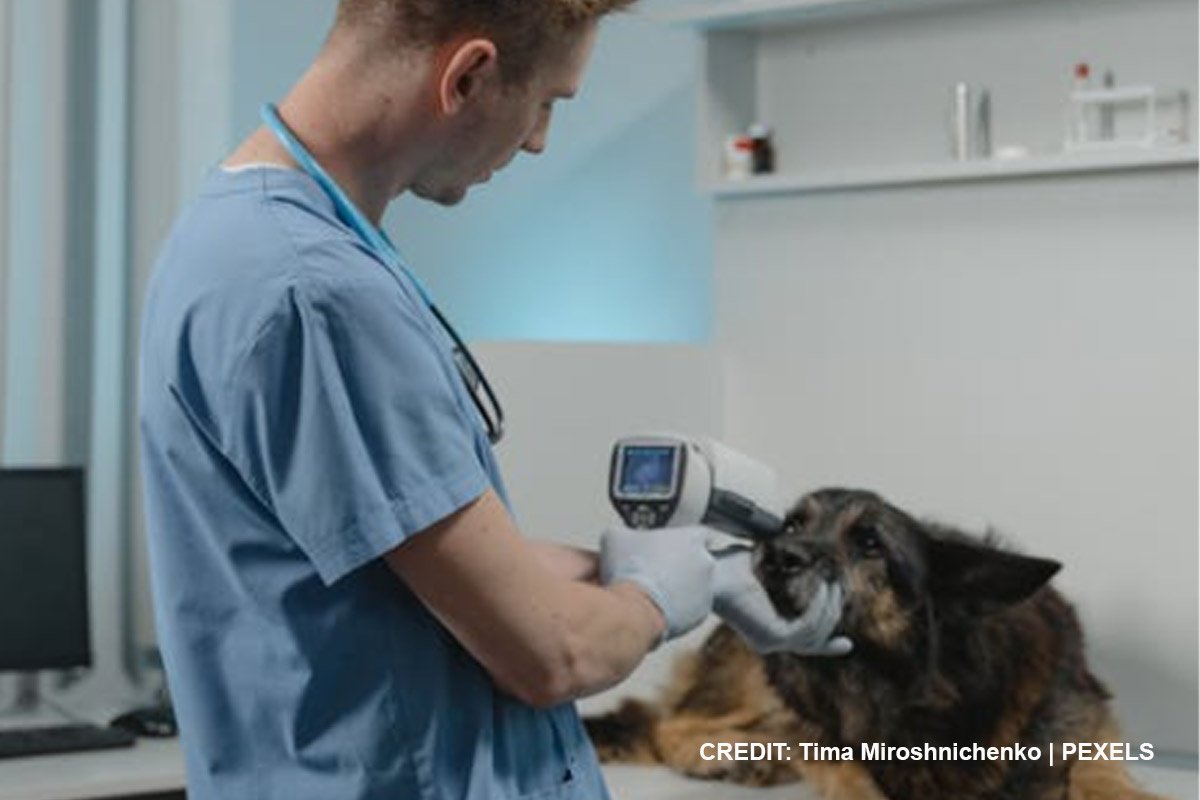
Quite a few people dream of being vets, but the dream doesn’t always include owning your own clinic. It should, given that buying a vet clinic is a major milestone in the career of any vet. Perhaps you’re an associate looking to transition into ownership, or an established practitioner expanding your portfolio; whichever you are, it pays to remember that the buyout process remains a complex legal and financial undertaking. While the clinical aspects of the profession focus on animal health, the business side requires a rigorous adherence to provincial regulations, commercial law, and intricate contractual obligations. Engaging a lawyer’s help for your first clinic purchase is a fundamental requirement and not simply a precautionary measure, one vital for protecting your investment and ensuring the long-term viability of the clinic.
Some of the specific tasks a lawyer can assist with include:
1. Navigating Provincial Regulatory Compliance
In Canada, veterinary medicine is a self-regulated profession, with each province maintaining its own college or regulatory body. A lawyer with a background in veterinary law has the skillset needed to ensure that the buyout structure complies with specific provincial legislation, such as the Veterinarians Act. These regulations often dictate who can own a practice and how the corporate structure must be organized. For instance, many provinces require that the majority of voting shares in a veterinary professional corporation be held by licensed veterinarians. A lawyer will review the existing corporate minute books and the proposed new structure to ensure that the transition of ownership does not inadvertently trigger a regulatory violation that could result in the suspension of the clinic’s license to operate.
2. Structuring the Transaction: Share vs. Asset Purchase
One of the most critical decisions in a vet clinic buyout is whether to proceed as a share purchase or an asset purchase. Each method carries distinct legal and tax implications. In an asset purchase, the buyer selects specific assets (such as medical equipment, client lists, and goodwill) while leaving behind certain liabilities. In a share purchase, the buyer acquires the entire corporation, including its history and goodwill, as well as any potential hidden liabilities. A lawyer is essential for drafting the Purchase and Sale Agreement (PSA) that reflects the chosen structure; this document also ensures that the transfer of title for physical assets, such as digital X-ray machines and surgical suites, is legally sound and free of encumbrances.
3. Comprehensive Legal Due Diligence
Like any other professional, a lawyer must conduct exhaustive legal due diligence, especially in cases like a clinic purchase where there are a plethora of variables to keep in mind. In this case, the process involves a deep dive into the clinic’s legal history to identify potential red flags. This includes searching for any outstanding litigation, liens against the clinic’s equipment, or unresolved disputes with the provincial veterinary college. Legal counsel will also verify that the clinic has maintained proper records of all controlled substances, as mismanagement of these logs can lead to severe penalties. By identifying these risks early, your lawyer can negotiate price adjustments or require the seller to rectify issues before the closing date.

4. Reviewing and Negotiating the Commercial Lease
For most clinics, and this includes vet clinics, the physical location is one of the most critical factors determining their value. If the clinic operates out of a leased space, the buyout is entirely dependent on the successful assignment of the commercial lease. Landlords often have change of control clauses that allow them to terminate a lease or significantly increase the rent if the business is sold. It’s part of your lawyer’s responsibility to review the lease to ensure the remaining term is sufficient to support a long-term business plan and will negotiate with the landlord to secure an assignment or a fresh lease agreement. Without this legal oversight, a buyer could find themselves owning a practice with no legal right to remain in its location.
5. Protecting Intellectual Property and Goodwill
The value of a veterinary clinic is largely tied to its goodwill (this is the reputation and loyal client base built over years of service). A lawyer ensures that this intangible asset is legally transferred through the buyout. This includes the clinic’s name, website domain, social media accounts, and branding. Furthermore, legal counsel will draft specific clauses to ensure that all digital records and client databases are transferred securely and in compliance with privacy laws. Protecting these assets ensures that the "brand" you are buying remains intact and continues to generate revenue from day one.
6. Drafting Enforceable Non-Compete and Non-Solicitation Agreements
A major risk in any professional practice buyout is the possibility of the seller opening a new clinic nearby and taking their loyal clients with them. To prevent this, a lawyer must draft robust restrictive covenants, including non-compete and non-solicitation clauses. These agreements must be carefully balanced; if they are too broad in terms of geography (measured in kilometres) or duration (years), the courts may deem them unenforceable. A lawyer understands there is a reasonable standard required by law to ensure these protections hold up in court, preventing the seller from undermining your new investment.

7. Managing Employment Law Transitions
A veterinary clinic is only as good as its support staff, including registered veterinary technicians (RVTs), receptionists, and kennel assistants. When a buyout occurs, the successor employer rules come into play. A lawyer can advise on healthcare employment law and what it has to say regarding the staff. That includes whether the existing staff's years of service must be recognized for the purposes of notice and severance pay under provincial employment standards. They will also assist in drafting new employment contracts for the staff, ensuring that terms are clear and that the transition does not trigger claims of constructive dismissal. Managing these human resource elements legally is vital for maintaining staff morale and operational continuity.
8. Equipment Liens and Personal Property Security Acts
Veterinary clinics house expensive medical technology, from dental suites to ultrasound machines. Many of these items are often financed or leased. A lawyer knows how to perform searches to ensure that the equipment being purchased is not already being used as collateral for a loan. If liens exist, the lawyer coordinates with the seller’s creditors to ensure they are discharged at the time of closing. This prevents a situation where a third-party lender could legally seize your diagnostic equipment because of a debt the previous owner failed to settle.
9. Reviewing Professional Service Contracts
Clinics often have ongoing contracts with laboratory services, medical waste disposal companies, and specialized software providers. A lawyer reviews these third-party agreements to determine if they are transferable or if they contain termination upon sale clauses. Negotiating these contracts during the buyout process ensures that your supply chain and diagnostic capabilities aren’t interrupted. Legal counsel can also identify unfavourable long-term contracts that you may wish to terminate as part of the purchase conditions. What you don’t know about your contracts can cost you (financially or otherwise), so taking the time to review them allows you to start your ownership with more favourable service terms.
10. Environmental and Zoning Compliance
While less common than in industrial sectors, veterinary clinics must comply with specific zoning bylaws and environmental regulations regarding the disposal of hazardous bio-medical waste. A lawyer will verify that the clinic’s operations align with local municipal bylaws, particularly regarding the housing of animals and noise ordinances. If the buyout involves the purchase of the real estate itself, the lawyer will also oversee environmental assessments to ensure there is no ground contamination from previous uses of the site, which could lead to massive cleanup liabilities for the new owner.
11. Ensuring Clear Title and Proper Escrow
On the day of the buyout, the exchange of significant capital for business ownership requires a deft hand. A lawyer acts as the gatekeeper for the funds, holding them in a trust account until all closing conditions are met. They ensure that all statements of adjustments (which account for prepaid expenses like property taxes or utility deposits) are accurate to the cent. By managing the escrow process, the lawyer also ensures that the seller only receives payment once the buyer has received clear title to the assets and all legal documents have been executed and registered.
12. Post-Closing Integration and Legal Support
The role of a lawyer does not end the moment the keys are handed over. Following the buyout, there are various administrative and legal tasks, such as updating corporate registrations, notifying the provincial veterinary college of the change in ownership, and ensuring that professional liability insurance is correctly transitioned. Having a lawyer involved from the start means you have a partner who understands the history of the transaction and can provide ongoing advice as you navigate practice management, partnership agreements, or future expansions.
Purchasing a veterinary clinic isn’t as simple as signing a document and handing over the money. It’s a multifaceted process, one that requires specific legal expertise to manoeuver properly. From the initial letter of intent to the final registration of shares, a lawyer provides the framework to handle the exchange and protect the buyer from hidden liabilities, regulatory pitfalls, and predatory competition. Investing in legal counsel at the outset is indeed an investment, and the most effective way to ensure that your dream of clinic ownership becomes a secure and profitable reality.
Navigating the complexities of healthcare regulations requires expert guidance. Whether managing a buyout, resolving a dispute, or seeking general counsel, Health Law Firm provides the robust legal support you deserve. Protect your professional future and secure your practice today. Contact our team now at (416) 640-0508 for a confidential consultation.