How to Protect Your Patients? 7 Reporting Tips When Encountering Suspected Abuse

As healthcare professionals, the welfare of the patients is paramount. However, that regard for their well-being also extends to caring for them in case of suspected abuse. Healthcare professionals very frequently serve as the first point of contact for patients experiencing vulnerable situations; as such, recognizing those subtle indicators of maltreatment and taking appropriate action is a fundamental duty for any healthcare provider. These situations can be complex, therefore dealing with them to the benefit of the affected patient(s) requires tact, adherence to protocol, and a deep understanding of ethical boundaries. Because medical staff observe patients closely, they are in a unique position to detect inconsistencies in physical health or emotional well-being. Equipping a clinic with robust procedures ensures that those vulnerable individuals receive the protection they require (and that your clinic has ensured its legal protection in case of any inquiries). The following points outline some essential guidelines to help you identify and report any suspected maltreatment effectively and give your patients the care they truly need in such a situation.
1. Accurately Identify the Patient’s Warning Signs
The initial step in safeguarding vulnerable patients depends on careful observation. Medical professionals must always remain vigilant for any indicators (be they physical or behavioural) that don’t align with a patient’s provided medical history. Physical signs are some of the clearest indicators of abuse or neglect, often including unexplained injuries, such as large contusions or repeated fractures. Psychological markers are often just as revealing; a patient appearing unusually withdrawn or highly anxious, for example, warrants closer attention and potential investigation.
2. Correctly and Thoroughly Document Your Findings
Accurate, objective documentation forms the foundation of any reporting process; while this typically applies to regular documentation of symptoms and treatments, it’s just as vital for detecting any signs of abuse as well. When recording observations, it’s critical that clinical staff rely strictly on factual details rather than subjective interpretations. For example, instead of writing that a patient looked afraid, note specific behaviours (such as trembling, palpitations, or rapid breathing). If injuries are present, measure them precisely, noting a laceration of four millimetres in length, for example. Avoiding vague descriptions is as much a part of the reporting process as providing accurate information for any investigation. Furthermore, always record the exact words the patient uses to explain their injuries to provide a written record of what was said for later use.
3. Have an Understanding of Local Mandatory Reporting Laws
Every region maintains specific legal frameworks dictating when a medical professional must report suspected maltreatment. As with other contexts, ignorance of these laws does not excuse inaction. As such, it’s imperative to understand the threshold for mandatory reporting, and particularly where those laws concern vulnerable patients (e.g. minors, the elderly, and those with cognitive disabilities). In many jurisdictions, harbouring a reasonable suspicion of harm can then trigger the legal obligation to contact appropriate protective services. Also take note that healthcare workers don’t need definitive proof to make a report; they only need a substantiated concern based on clinical observation.
4. Balance Transparency with Patient Confidentiality
Patient privacy and data security are always major concerns of medical ethics, but it is a reality that must sometimes yield to the immediate safety of the individual, particularly in light of legal reporting duties. When encountering abuse, medical professionals very often face the delicate task of overriding standard confidentiality agreements to fulfill mandatory reporting duties. As such, it’s essential to communicate transparently with the patient about these limits whenever it’s safe to do so. And in the case of adult patients, informing them that certain disclosures of their situation legally requires external reporting can build trust and make it easier to involve the appropriate authorities.
5. Establish a Standardized Clinic Protocol for Such Situations
Well-defined internal procedures are essential for removing ambiguity in case of high-stress situations. Every medical facility is well-served by having a step-by-step protocol outlining exactly what actions to take when maltreatment is suspected. That framework must designate a clear chain of command, detailing whether staff should consult with a senior staff member or directly contact external agencies. Having these guidelines readily accessible prevents hesitation and provides a clear path to guide staff to the appropriate course of action when abuse is detected. Staff members must also receive regular training on this protocol to ensure they can execute the necessary steps safely and swiftly when required.
6. Communicate Clearly and Honestly with the Affected Individual
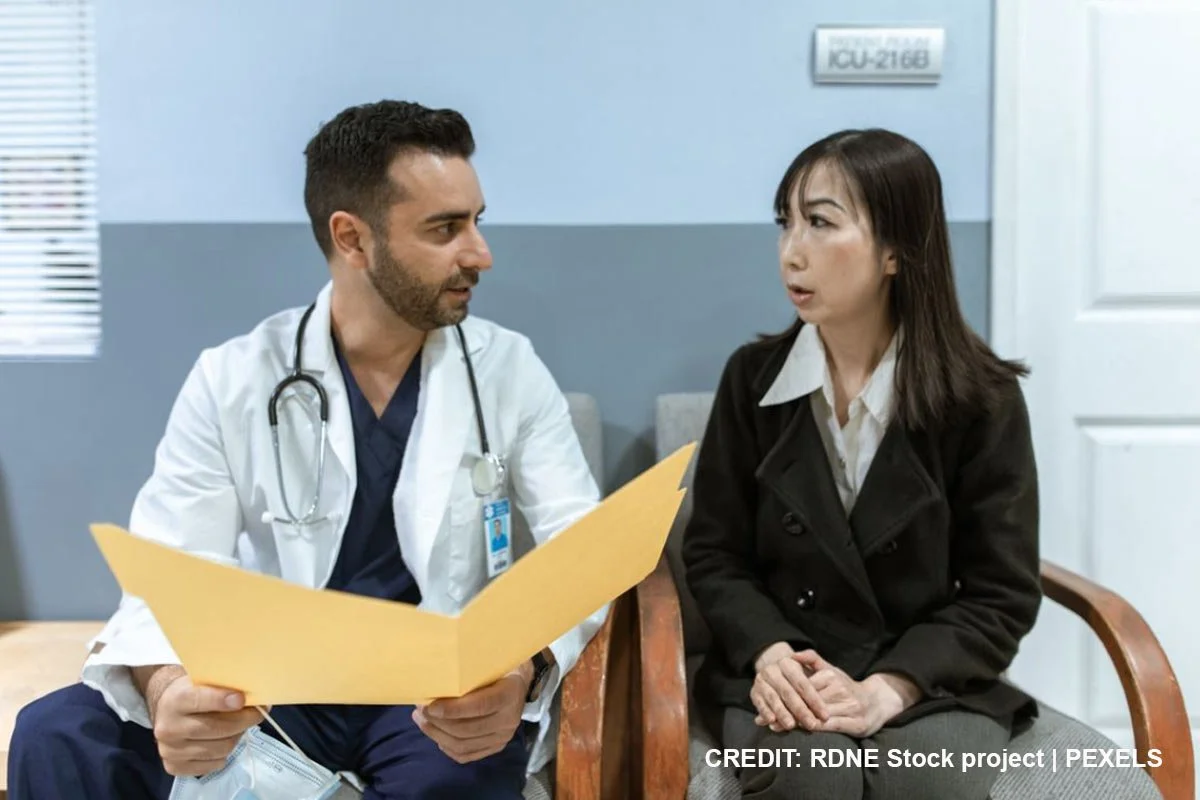
Conversations regarding suspected maltreatment require a deep sense of empathy and careful speech. Interrogating the patient or asking leading questions very often causes them to withdraw further (and also makes it harder for you to provide the required care). Instead, ask open-ended questions about their general well-being. Creating a non-judgmental environment allows an individual to maintain calm by sharing information at their own pace. If a caregiver insists on remaining in the examination room and answers questions on the patient's behalf, it’s imperative (when legally permissible) that staff find a tactful reason to speak with the patient privately to ensure an honest conversation.

7. Connect Your Vulnerable Patients with Effective Support Networks
Filing a formal report is an integral part of providing comprehensive patient care to vulnerable patients, but in a way it’s only a first step. Following the initial assessment and reporting, connecting the patient with robust support networks is essential for their long-term welfare. Your clinic should always maintain an updated directory of local resources, including domestic violence shelters and counselling centres. In case this information must be shared discreetly, it can help to offer unbranded contact cards that an abuser will not easily recognize. Offering these resources empowers any vulnerable patients and makes it easier to provide these all-important services at such a sensitive time for them.
Safeguarding individuals from harm can sometimes require more than standard medical care. In such cases, you’ll need to be prepared to be aware and offer decisive action. By implementing these measures, healthcare providers can more effectively intervene in dangerous situations and make a positive difference for these vulnerable patients. The responsibility to identify and report maltreatment rests firmly on the shoulders of all clinical staff, and as such requires a proactive approach and regular education to ensure you’re prepared if the moment comes. Ultimately, taking care by being so proactive is a boon to patient safety and reinforces the fundamental trust placed in medical professionals like yourself.
Ensuring your clinic is compliant with healthcare standards and mandatory reporting can be overwhelming on top of your other duties, but you don’t have to do it alone. Ensure your practice is fully protected and operating strictly within legal frameworks. Contact Health Law Firm today for legal guidance we tailor to your clinic's unique needs. Call us now at (416) 640-0508 to schedule your consultation and secure the future of your practice.